Like this article? You’ll love ‘The Bite’.
Our monthly newsletter delivers sharp, practical branding advice — minus the fluff.
- Real examples
- Useful ideas
- Straight talk
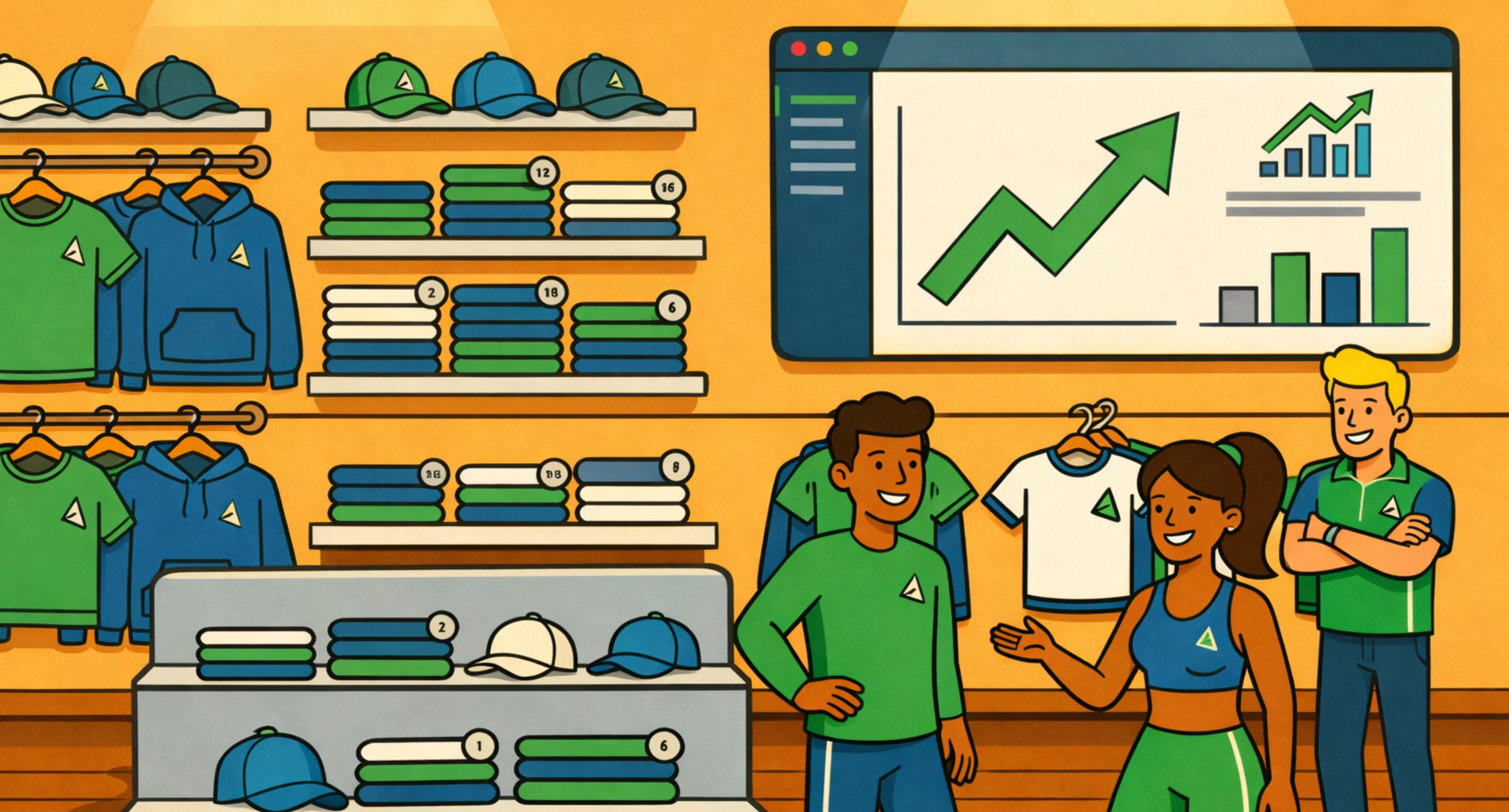
Well planned club merchandise can generate consistent revenue, reduce reliance on fundraising events and even cover its own production costs. When designed and managed correctly, club merch becomes a low-risk income stream rather than an expense.
For many club treasurers, merchandise feels risky. Upfront costs, leftover stock and uncertain demand can make merch look more like a liability than a revenue stream.
But when merch is planned strategically — with the right products, pricing and ordering systems — it can fund itself and contribute meaningfully to a club’s bottom line.
This guide breaks down how clubs can run merch like a mini business, minimise financial risk and turn apparel and accessories into reliable income.
Merch fails when it’s treated as an afterthought rather than a system.
The goal isn’t just breaking even — it’s predictable, repeatable returns.
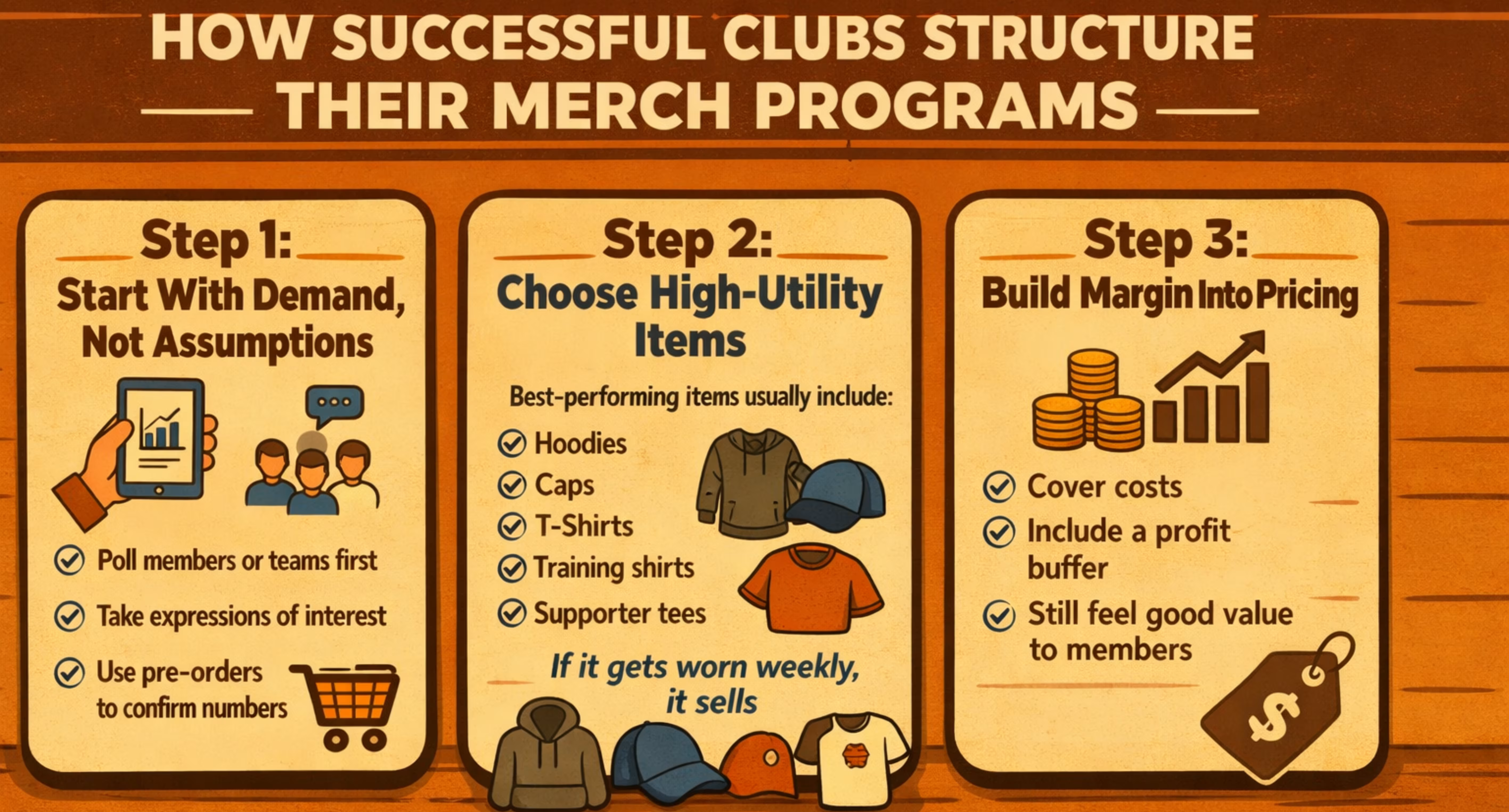
If it gets worn weekly, it sells.
| Method | Effort Required | Risk | Revenue Longevity |
|---|---|---|---|
| Raffles | High | Low | One-off |
| Sausage Sizzles | High | Low | One-off |
| Club Merch | Medium | Low–Medium | Ongoing |

Can merch really generate profit for small clubs?
Yes. Even modest clubs can generate surplus with pre-orders and the right mix.
How much margin should clubs aim for?
Typically 20–40% depending on product.
What’s the safest first merch item?
Hoodies or tees.
What if membership changes mid-season?
On-demand reorders solve this.
Club merch doesn’t need to drain the budget. With smart planning and low-risk models, merch can fund itself — and then some.
Want a merch plan that makes financial sense for your club? Talk to Colour Up about a low-risk merch setup.
Mad Dog Promotions
Merch That Works as Hard as Your Club
Like this article? You’ll love ‘The Bite’.
Our monthly newsletter delivers sharp, practical branding advice — minus the fluff.