Like this article? You’ll love ‘The Bite’.
Our monthly newsletter delivers sharp, practical branding advice — minus the fluff.
- Real examples
- Useful ideas
- Straight talk

A handover is not the end of the sale. It is the moment your customer decides how they will remember you.
Paperwork, keys, a handshake and off they go. Most businesses stop there. The smart ones understand that what happens in the final five minutes carries more psychological weight than everything that came before it.
That is where the perfect handover gift comes in.
Not as a throwaway freebie. Not as a box-ticking exercise. But as a deliberate psychological trigger that shapes perception, loyalty and word-of-mouth long after the transaction is complete.
Humans remember experiences emotionally, not logically. This is known as the Peak-End Rule. We judge an experience based on its emotional high point and how it ends.
Your handover gift sits right at the end.
If the final moment feels thoughtful, premium and personal, the entire experience is remembered more positively. Even minor frustrations earlier in the process are softened.
If the ending feels rushed, cheap or forgettable, it quietly drags the whole experience down.
When someone receives an unexpected gift, something powerful happens. The Reciprocity Principle kicks in.
People feel an innate urge to return the favour. In a business context, that return often shows up as:
The key detail is this: the gift must feel genuine. If it feels cheap or transactional, reciprocity never activates.
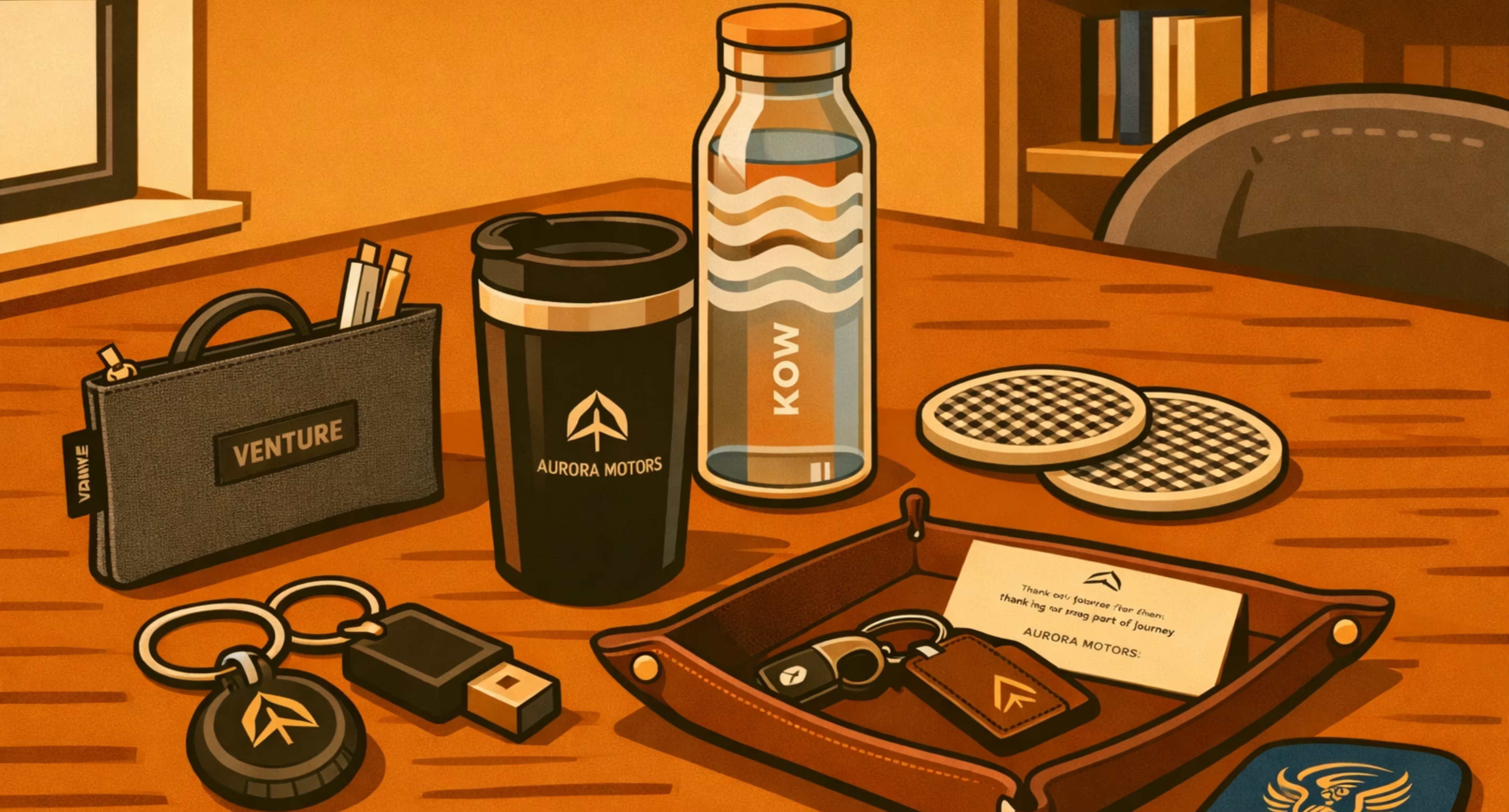
The perfect handover gift is not defined by price. It is defined by perception.
Three factors matter more than anything else.
If it gets used, it gets remembered. Items that integrate into daily life outperform novelty gifts every time.
Think drinkware, travel mugs, key accessories, organisers or car-related essentials.
Quality signals respect. A solid, well-made item tells the customer you value the relationship beyond the sale.
Cheap items do the opposite. They subconsciously link your brand with shortcuts.
The gift should make sense in the context of the purchase. A thoughtful connection between the item and the experience reinforces meaning.
Over-branding is one of the most common handover mistakes.
A gift covered in logos feels promotional. A gift with subtle branding feels premium.
When branding is understated, customers are more likely to use the item in public, which actually increases brand exposure over time.
The goal is not to shout. It is to belong.
Once someone owns an item, they immediately value it more. This is the Endowment Effect.
A handover gift becomes psychologically “theirs” in a way brochures and emails never do. It creates a sense of ownership that extends to the brand itself.
This is why personalised elements such as colours, textures or context-specific packaging dramatically increase perceived value.
Some items consistently outperform others in handover scenarios.
Strong options include:
| Factor | High-Impact Handover Gift | Low-Impact Gift |
|---|---|---|
| Feel | Premium and thoughtful | Cheap or generic |
| Branding | Subtle and tasteful | Loud and logo-heavy |
| Use | Regular and practical | One-time novelty |
| Memory | Emotional anchor | Quickly forgotten |
| Brand Effect | Builds trust | Dilutes perception |
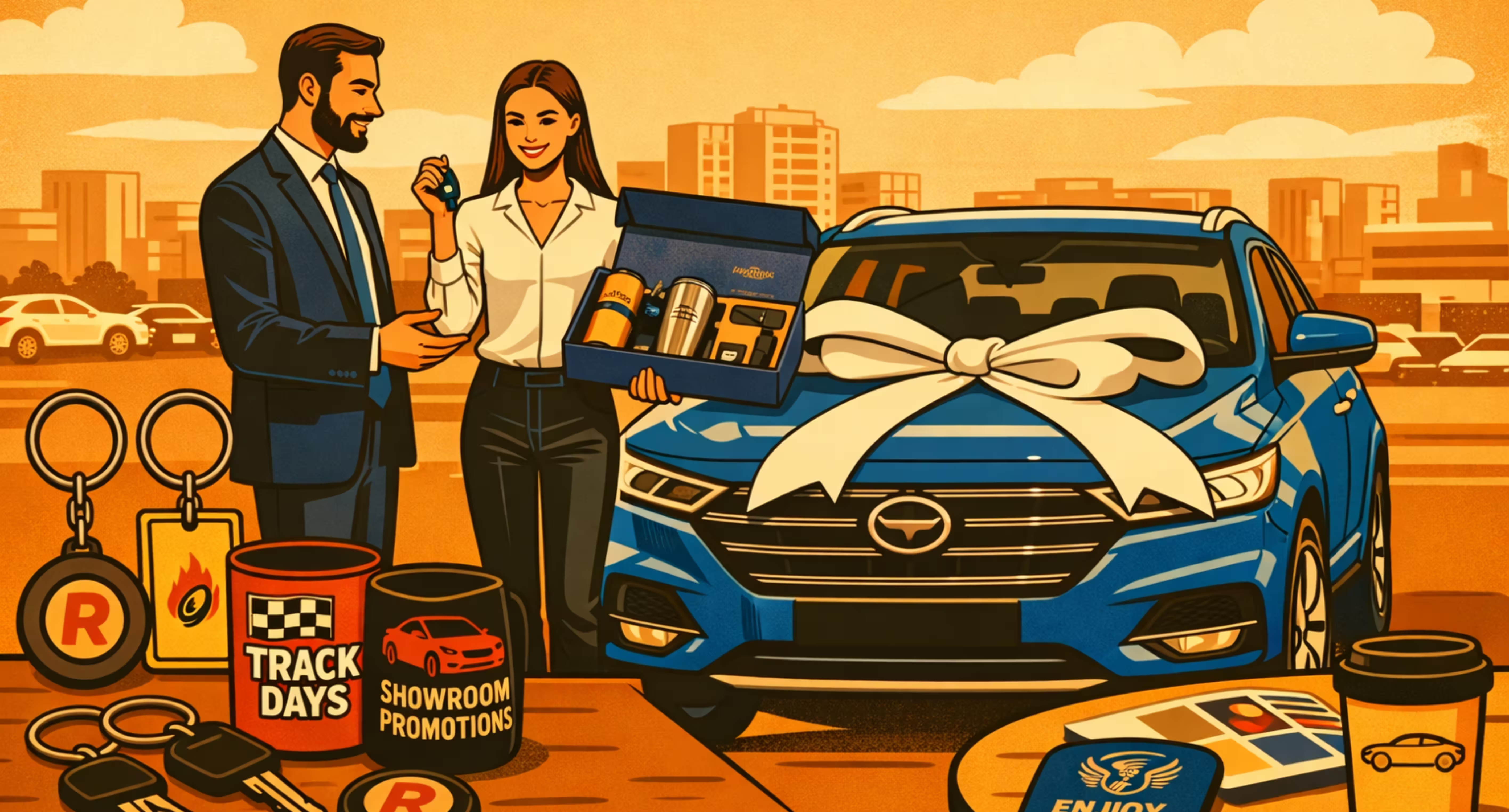
When the gift is given matters just as much as what it is.
The most effective handover gifts are presented deliberately, not tossed in at the end. A short pause, a moment of explanation and a clear handover ritual elevate the experience.
“This is something we include with every handover” sounds very different to “Here’s a freebie”.
One feels intentional. The other feels incidental.
A well-chosen handover gift continues working long after the sale.
It reinforces the decision the customer just made. It reduces buyer’s remorse. It increases the likelihood of positive recall when someone asks for a recommendation.
In competitive markets, these small psychological advantages add up quickly.
Does every customer need a handover gift?
Yes. Consistency builds expectation and brand trust.
Should gifts differ by customer tier?
They can, but the baseline quality should never drop.
Is personalisation necessary?
Not essential, but relevance always is.
Can handover gifts replace follow-ups?
No, but they amplify them.
Are expensive gifts better?
Only if they feel appropriate and intentional.
The psychology of the perfect handover gift is simple but powerful.
End experiences well. Respect the customer. Choose quality over shortcuts. Make the final moment count.
When done properly, a handover gift becomes more than an item. It becomes the emotional full stop at the end of the story.
And people always remember how a story ends.
Until next week.
Mad Dog Promotions
Branding With Bite
Mad Dog Promotions
Branding With Bite
Like this article? You’ll love ‘The Bite’.
Our monthly newsletter delivers sharp, practical branding advice — minus the fluff.